

The Caroline Effect
How Princess Caroline of Monaco Influenced Decades of Fashion Without Anyone Measuring It

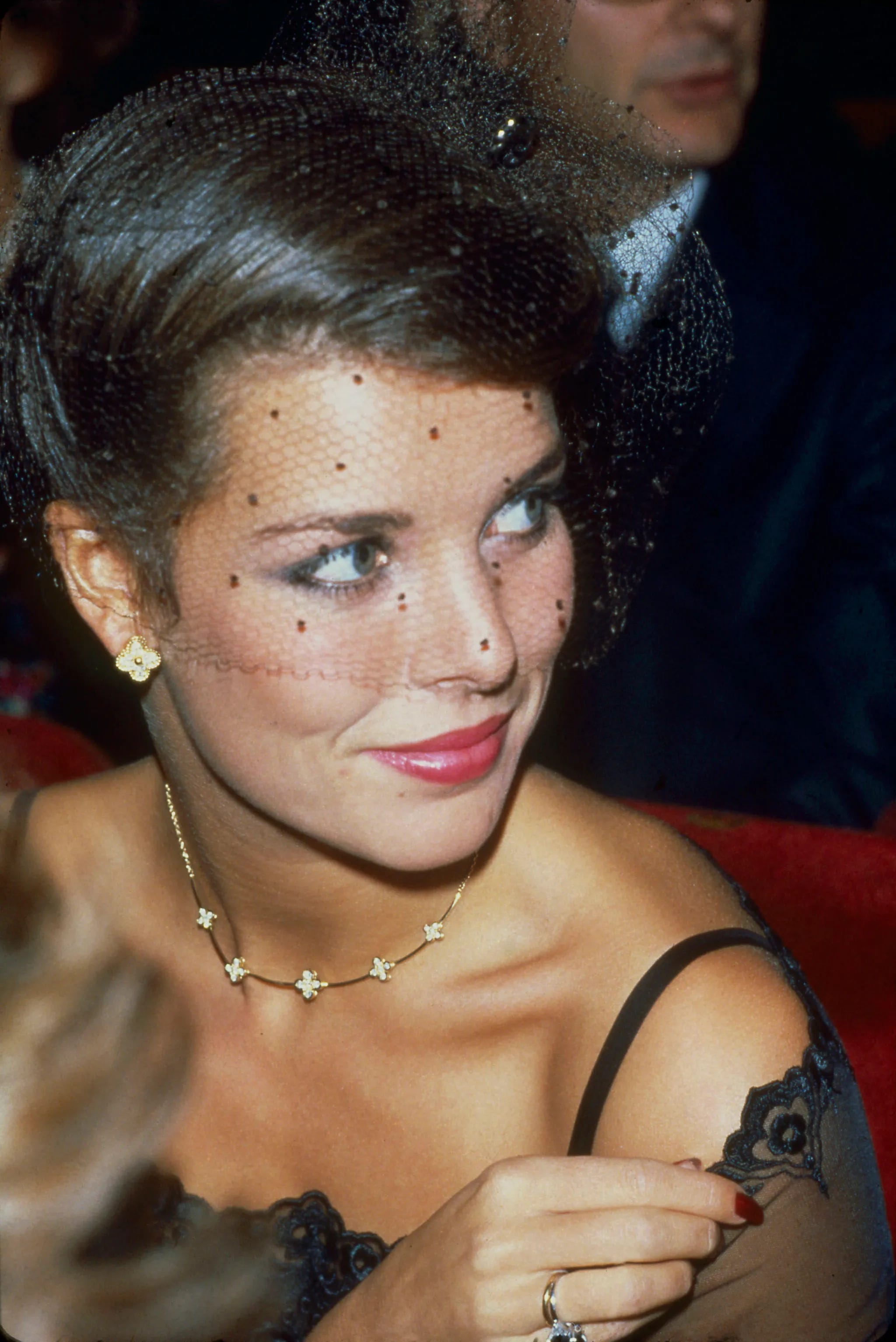
Image: Getty Images
As Princess Caroline celebrates her birthday today, January 23, we examine the fashion codes of a woman who influenced decades of style, long before Instagram existed.
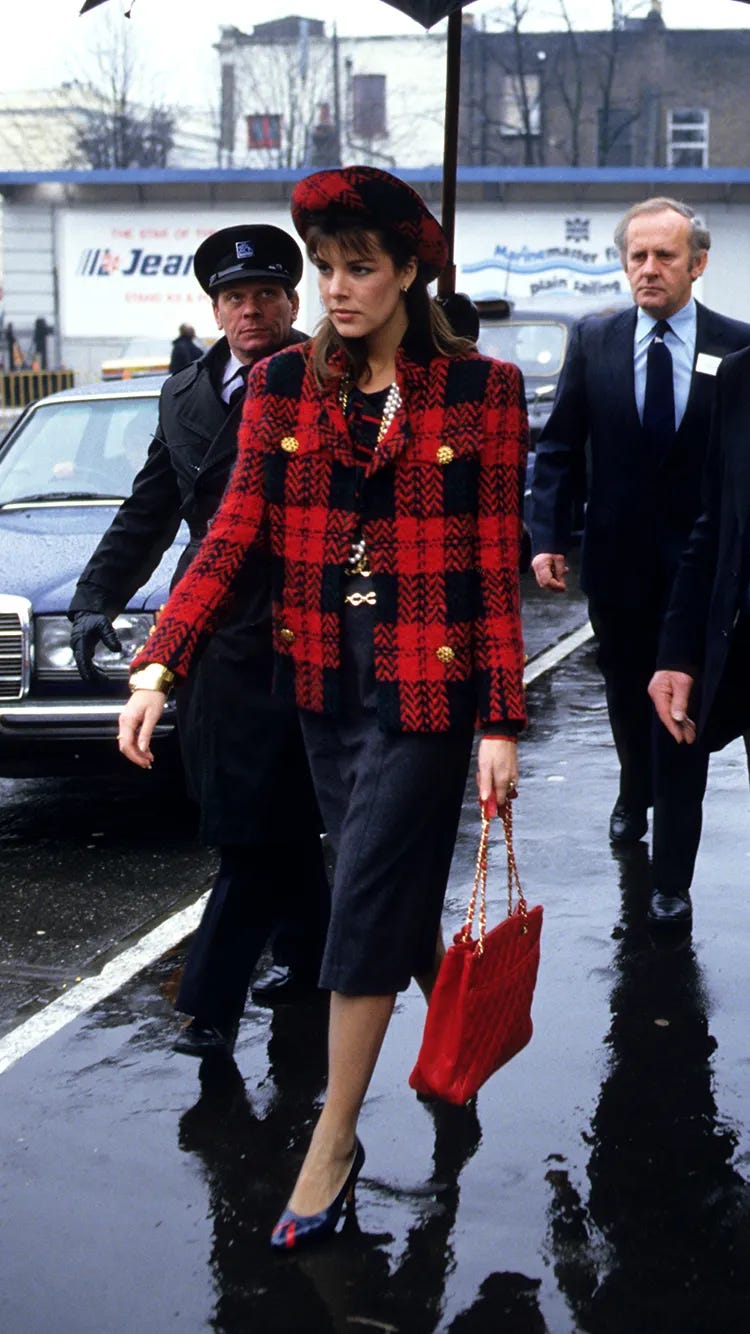
Image: Getty Images
The Chanel Archive That Doesn’t Exist
While most fashion historians can trace Grace Kelly’s Hermès bag or Diana’s “revenge dress,” Princess Caroline of Monaco’s most significant fashion contribution remains largely undocumented: she was one of the first royals to wear Chanel as streetwear. In the late 1970s and early 1980s, before logomania became a cultural phenomenon, Caroline wore Chanel tweeds to the beach, paired couture jackets with jeans, and treated Karl Lagerfeld’s creations as everyday wardrobe staples rather than precious archive pieces.
Her relationship with Chanel predated the house’s 1980s revival under Lagerfeld. Caroline was wearing Coco Chanel’s designs when the brand was considered dated by fashion standards, those boxy tweed suits that wouldn’t become “cool” again until Lagerfeld’s reinvention. She understood something fashion editors missed: Chanel’s constructions were designed for movement, for real life, not museum display. She wore the same Chanel jacket to pick up her children from school, to gallery openings, and to casual dinners, sometimes for years. This wasn’t about collecting pieces; it was about integrating them into an actual wardrobe.
What makes this archive “invisible” is that Caroline wore Chanel before fashion houses systematically documented celebrity clients, before PR teams tracked “brand ambassadors,” before anyone thought royal fashion choices were worth cataloging beyond gossip columns. There’s no official record of what she wore when, no press releases celebrating her patronage. The evidence exists only in paparazzi photographs, unauthorized, unstaged images of a woman living her life in exceptionally well-cut clothes.
This approach, radical at the time, normalized luxury fashion as daily wear rather than ceremonial costume. It also meant that when these pieces inevitably showed wear, faded in the sun, or went out of style, there was no institutional pressure to preserve them. Caroline’s Chanel likely ended up in charity shops or passed to friends, unlike museum-bound royal wardrobes. The archive doesn’t exist because she actually used the clothes.
The Saint Laurent Scandal No One Remembers
