

No Title Required: Was the Peter Phillips and Harriet Sperling a "Private" Monetized Wedding ?
The Hello! deal, the designer arrangements, and the best dressed at Kemble

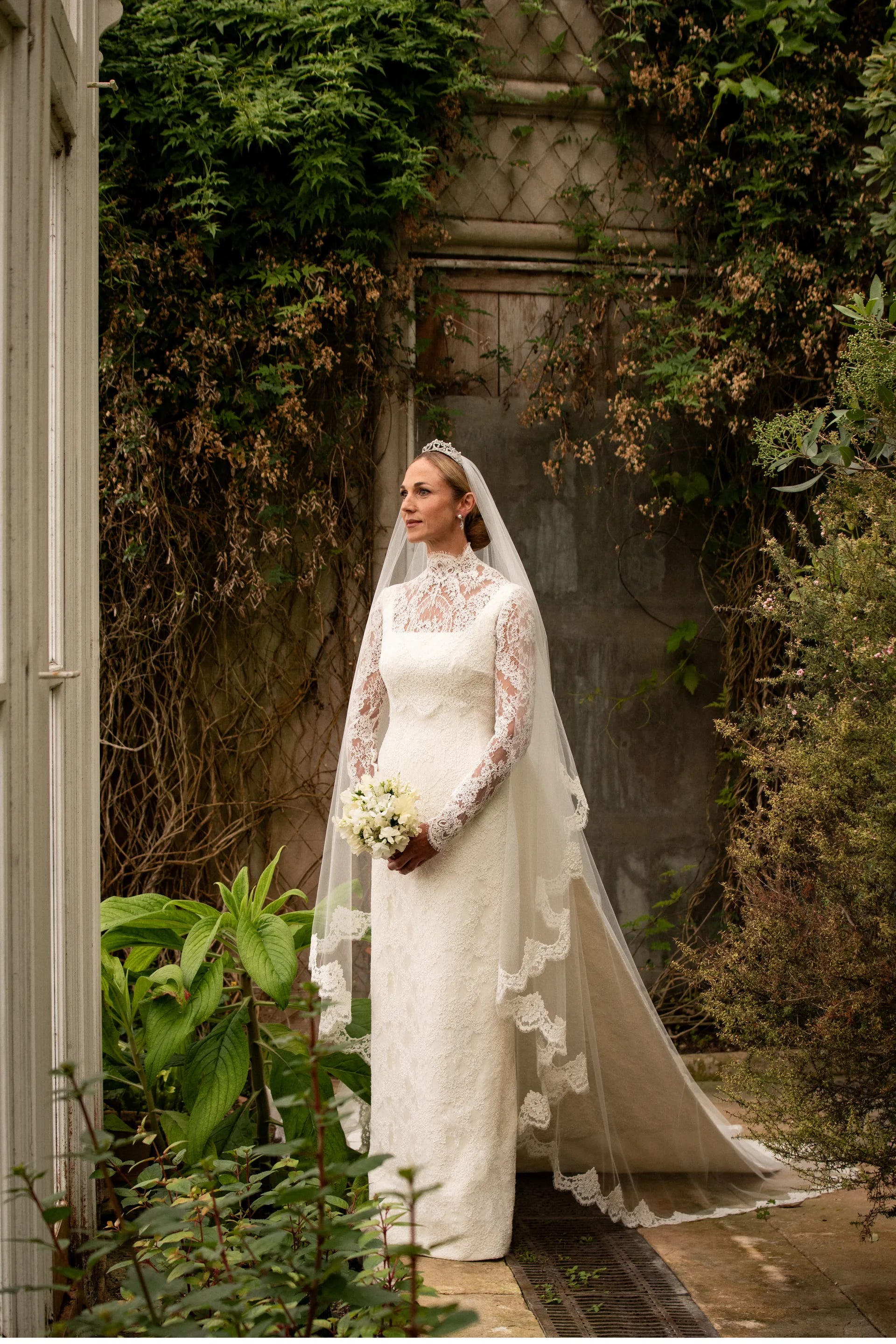
Image: Mark Nicholson
The word used most often to describe the June 6 wedding of Peter Phillips and Harriet Sperling was “intimate.” A small Cotswolds church. A 150-person guest list. A private ceremony in the village of Kemble, population just under one thousand, where you can walk from one side to the other in twelve minutes. The couple’s own spokesperson confirmed a “private ceremony.” The sign posted at the gate of All Saints’ Church read: closed to the public for a private event.
And yet.
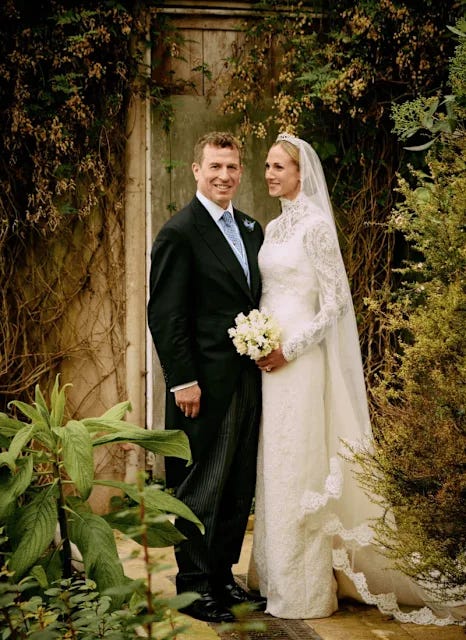
Image: Mark Nicholson
The royal press corps was there in full formation. Getty Images photographers lined the church entrance. Hello! magazine had exclusive coverage, exclusive access, and exclusive photographs shot by the couple’s own wedding photographer, Mark Nicholson. The engagement, announced the previous August, had broken first in Hello!. Pre-wedding family outings appeared in Hello!, marked “exclusive.” The rehearsal dinner was covered. The flower vans were identified by name. A live blog ran all day from the ground in Kemble. Before the ink was dry on the ceremony, the official portrait had been distributed, and the media machine had fully turned.
With all the scandals surrounding the royal family right now, the fact that this wedding was monetized is probably the most private thing about it.
This is not what privacy looks like.
The Hello! Relationship
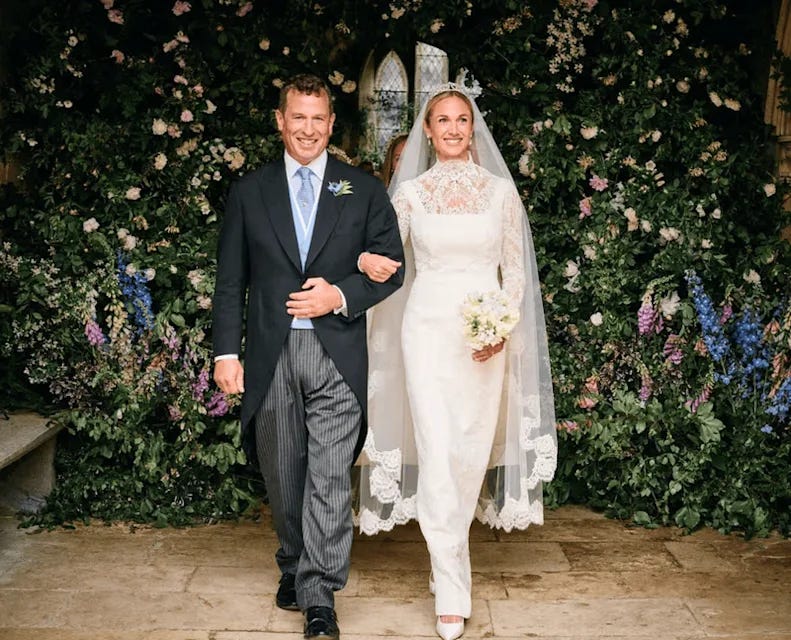
Image : Mark Nicholson
Peter Phillips has a documented history with Hello! magazine and the commercial architecture around royal events. His 2008 wedding to Autumn Kelly was the subject of a paid Hello! magazine deal for exclusive coverage, worth an estimated £500,000 according to the Daily Mail, and the move triggered backlash and debate about commercializing royal moments. Reports indicate the Palace later discouraged similar paid wedding exclusives, shaping stricter expectations on royal image monetization across future events.
Sixteen years later, the template has been refined but not abandoned.
